In 2019, breast cancer replaced lung cancer as the leading cause of death by cancer, among black women, according to an article published by the American Cancer Society. Black women, now more than ever, are being confronted with the reality of high breast cancer rates in their communities all over the world. This realization has led to an increase in the number of black women aiming to find information about breast cancer, and possible preventive measures that can lower their risk.
How Breast Cancer affects Women of all Races & Ethnicities?
Breast cancer affects women of all races and ethnicities, but the diagnoses, treatment, and mortality rates will vary greatly in different communities. This is usually because of the difference in culture and lifestyle practices, both of which tend to either increase or reduce the risk that each community of women would have.
In Afro-Caribbean and black communities specifically, there is a stigma surrounding the medical field that causes both men and women to stay away from doctors’ offices and hospitals, despite feeling unwell. Because of this stigma, black women generally avoid medical appointments and are less likely to be screened or even tested for breast cancer. This, in conjunction with common lifestyle practices such as smoking, a lack of exercise, and unhealthy food choices can also contribute to the development of certain diseases, including breast cancer.
Do women of African Ancestry have the Highest rate of Breast Cancer?
While research remains ongoing, studies have shown that women of African descent do have a higher rate of breast cancer among women younger than 45. Overall, black women do not have the highest rate of diagnoses of breast cancer globally, but they do have one of the highest mortality rates. In the US alone, it is reported that African American women have a 31% breast cancer mortality rate, which is the highest of all other races and ethnicities.
The two factors listed above are factors that contribute to these numbers, but they are not the only factors to consider. Studies also show that there are disparities that exist between the diagnosis, treatment, and levels of mortality of this condition in black women. These disparities include genetics, lack of accessible treatment options, and lack of financial preparedness for long-term health issues in black women when compared to women of other races.
The Olive Branch of Hope (TOBOH) has launched in part to help reduce/eliminate the health disparities within black communities. TOBOH works to support cancer survivors in the community and is becoming a ray of hope for many black women surviving or diagnosed with breast cancer.
Do genetics play a part in these high rates or can it be prevented?
Cancer is generally not regarded as a hereditary condition, but new and continuing studies have proven that certain genetic traits in black women make them more likely to develop a more aggressive form of breast cancer than in women of other races. Recent studies have highlighted that two gene variants found in women of African Ancestry may be one of the reasons that they are so highly diagnosed.
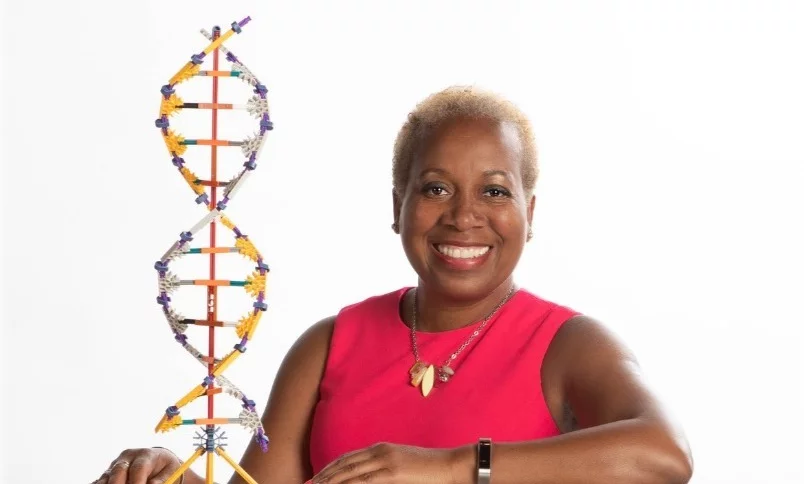
Specifically, Dr. Juliet Daniels, professor, and Cancer Biologist at McMaster University discovered a new gene ‘Kaiso’, that “regulates the expression of genes that control cell proliferation and adhesion.” Because of this, the malfunction of Kaiso in human tumors including the breast has been shown to increase the spread and progression of that tumor.
In one particular study conducted by Dr. Daniels and her team, it was discovered that women of African Ancestry possessed a higher level of nuclear Kaiso expression, in comparison to their caucasian counterparts. This highlights that Afro-Caribbean and black women are genetically more predisposed to developing Triple-Negative Breast Cancer (TNBC), especially at a younger age, than women of other races.
In another study conducted by researchers at Cornell Medicine, it was discovered that a similar protective gene that helps the body to fight the development of breast cancer, was specifically lacking in black women. This gene is also crucial in helping to fight against TNBC. Because of this, black women are more likely to die when they develop breast cancer, as TNBC is one of the more aggressive forms of breast cancer that there is.
This is also exacerbated by the fact that black women, specifically African American women, were less likely to receive standard treatments as opposed to their white counterparts. The Journal of American Medical Association (JAMA) found that these high rates of mortality were also faulted by the fact that there was a lack of access to proper care and treatment, in the communities of young African American women with breast cancer.
So yes, genetics does play a role in the development of breast cancer, especially in young black women, but does that mean that every black woman should expect to die from breast cancer? No. Implementing lifestyle and cultural changes as well as improving our ability to receive standard treatments is one way that we can each do our part in fighting the statistics.
What can/should black women do to reduce their risk?
Though cancer is unpredictable, there are scientifically-backed recommendations that women of African ancestry all over the world can incorporate to reduce their risk of both developing and dying from breast cancer. These tips are not 100% foolproof, but they have proven to be effective at helping a lot of black women to remain breast cancer-free.
Maintain a healthy weight and diet
Lifestyle choices are one of the biggest cheat codes to life, and it is no different when it comes to breast cancer. While there is no evidence to suggest a healthy diet and exercise routine can eliminate the risk of breast cancer, there are statistics that suggest the opposite. Obesity and genetics put black women at an increased risk of developing diseases including cancers, and generally reduce life expectancy in black women.
Deciding to maintain a healthy weight and diet and exercise regularly can have a significant impact on reducing stress, improving sleeping patterns, and adding to peace of mind in general. These factors overall contribute to your overall wellness and help in preventing your body from developing certain conditions including cancers.
We recommend prioritizing a healthy weight to reduce the risk of developing breast cancer.
Importance of screening and early detection
One of the main reasons, as listed in the statistics outlined above, that black women have the highest mortality rates when it comes to breast cancer is because they are less likely to be screened early. This means that when the disease has been noticed by doctors, it is usually within the last or most developed stages of the disease. This reduces the efficacy of treatment and increases the risk of mortality in black women.
To monitor, and reduce the mortality rate for breast cancer in women of African ancestry, early screening and early detection must be prioritized. This makes the difference between life and death in many situations. Once you’ve reached the required screening age, prioritize annual screenings to reduce your risk.
Consider your Cosmetics
From relaxers to makeup products to your everyday moisturizer, black women have always had a history of having adverse reactions to the beauty products that have been marketed to us. Relaxers, for example, have been found to increase the risk of breast cancer by about 31%, and have also been linked to an increased risk of experiencing infertility and developing uterine fibroids.
Makeup products including concealers and lipsticks marketed to black women have also been linked to hormone disruption and allergic reactions according to this article by Time Magazine.
Statistics from the European Cancer Registries have shown that high incidences of breast cancer have become prevalent in younger women. For black women particularly, it is recommended that we reduce the use of heavily toxic beauty products, and opt for cleaner beauty recommendations.
Products such as relaxers, some daily moisturizers, and makeup products have been found to contain endocrine disruptors. These disruptors include hydroquinone, diethyl phthalate (DEP), and mercury, which have all been linked to an increased risk of developing cancer.
Breast cancer is a serious condition and is all too common a reality in black women. Women of African Ancestry must do all we can and take the necessary steps to reduce this risk where possible. This will include developing a culture of early screening for breast cancer and being consistent with getting treatments where necessary.
We all have a part to play in reducing the risk and improving the statistics of black women all over the globe. With these recommendations, you already have information to do your part in the breast cancer fight.
The increasing risk and rise in statistics of black women dealing with breast cancer across the globe needs to be addressed. With these recommendations, you have information to do your part in the breast cancer fight. However if you are wondering about how to get started then choose to Join as a Volunteer, Member or Sponsor of The Olive Branch of Hope.
A cancer support community working to support black women, founded by black women & cancer survivors themselves. A community that stands for E.A.S.E Educate, Advocate, Support and Empower).
References
- “More Black Women die from Breast Cancer than any other cancer.” American Cancer Society, February 14, 2022, https://www.cancer.org/latest-news/facts-and-figures-african-american-black-people-2022-2024.html.
- “African American Women and Breast Cancer.” Breast Cancer Prevention Partners, https://www.bcpp.org/resource/african-american-women-and-breast-cancer/#:~:text=African%20American%20women%20have%20a,American%20women%20than%20White%20women.
- Lisa Newman, “Disparities in breast cancer and African ancestry: a global perspective” U.S. National Library of Medicine, 2014. https://pubmed.ncbi.nlm.nih.gov/25639288/
- Daniel J, Bassey-Archibong BI, et al, “Kaiso is highly expressed in TNBC tissues of women of African ancestry compared to Caucasian women.” Cancer Causes Control, U.S. National Library of Medicine, 2017. https://www.ncbi.nlm.nih.gov/pmc/articles/PMC5681979/
- “African American Women More Likely to Die of Triple-Negative Breast Cancer.” JAMA, August 17, 2021, https://jamanetwork.com/journals/jama/article-abstract/2783085
- “Beauty Products Marketed to Black Women May Contain More Hazardous Chemicals: Report.” Time Magazine, December 6, 2016, https://time.com/4591079/beauty-products-marketed-to-black-women-may-contain-more-hazardous-chemicals-report/